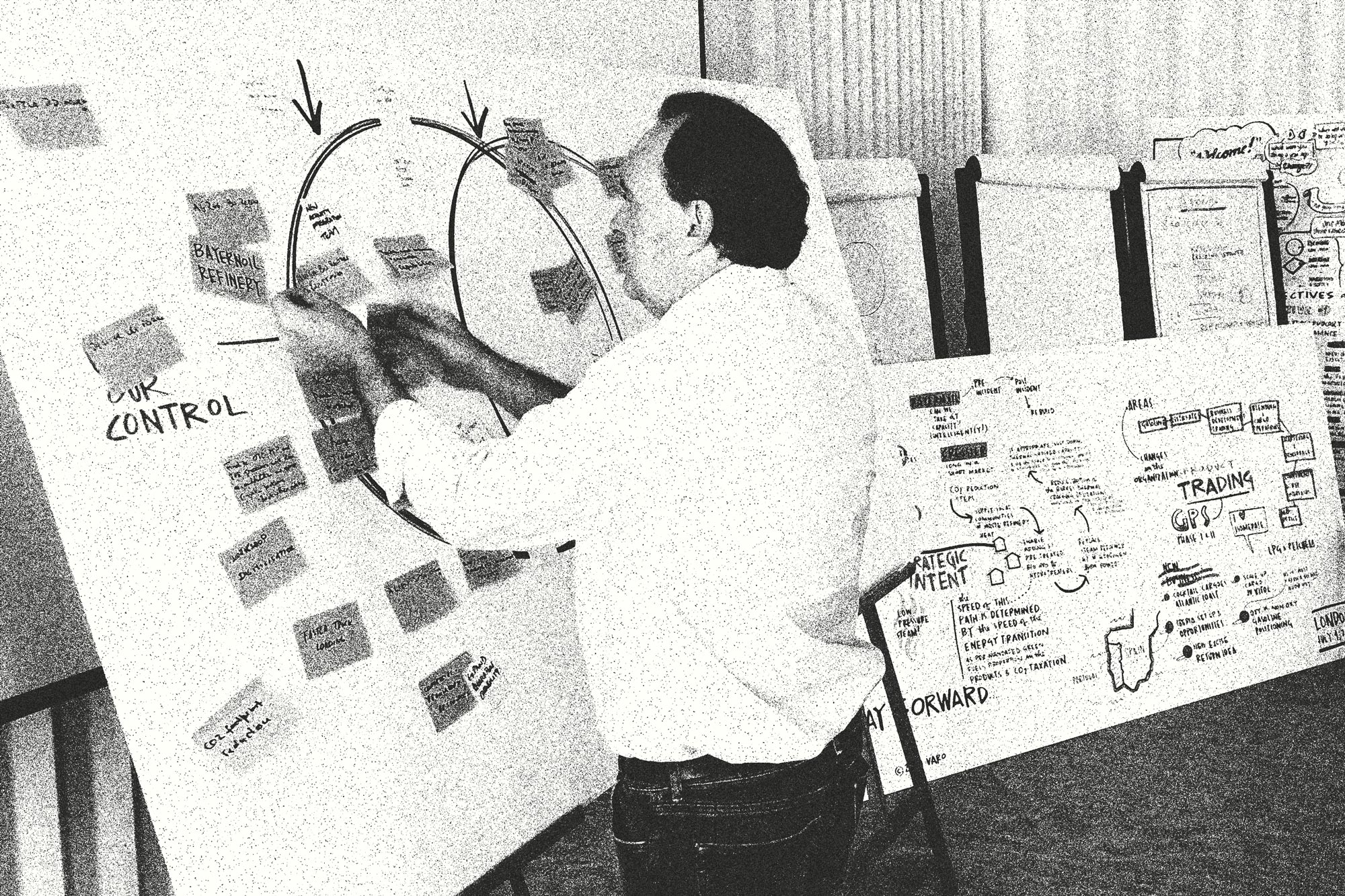
Eight nations, no podiums. Behind closed doors, Dialogos created space for people to speak as themselves—building trust and networks that reshaped power, trade, and investment across the region.
South Asia Champions for Development Program (SACDP)
Executive Summary
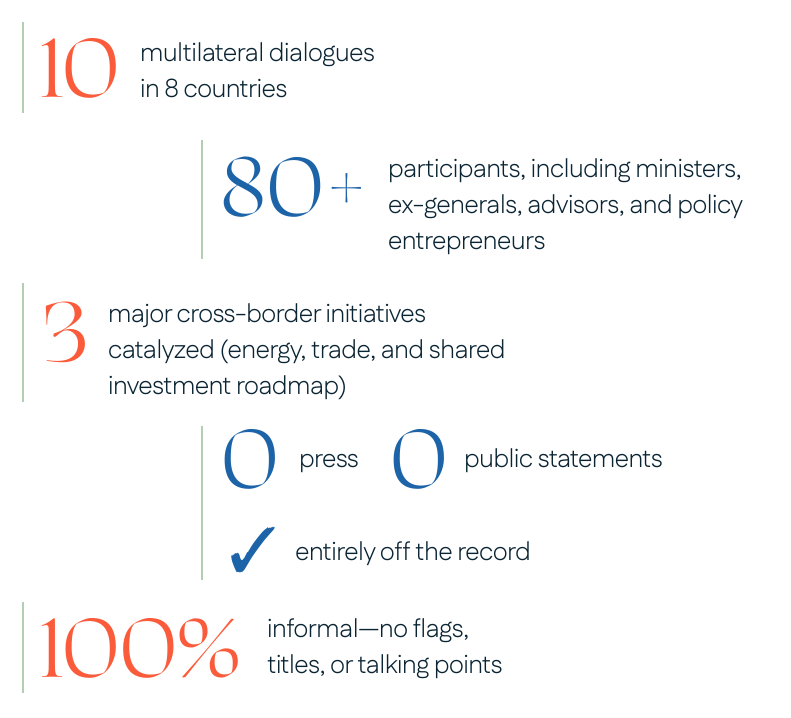
From 2011 to 2016, Dialogos partnered with the International Finance Corporation (IFC) to convene off-the-record dialogues across South Asia. Participants included influential figures from eight countries brought together not to negotiate, but to think freshly across long-standing divides. Over ten gatherings, including a final session in Islamabad, the process built trust where formal diplomacy had stalled. It led to real outcomes: the first India–Pakistan power transmission link, revived river trade with Bangladesh, and a regional development roadmap still in use.
When we first brought together figures from across eight South Asian countries—India, Pakistan, Bangladesh, Nepal, Sri Lanka, Bhutan, the Maldives, and Afghanistan—the air in the room was thick with history. Some were former officials, others current advisors, policy thinkers, NGO leaders, businesspeople, military veterans. Not household names. Not the most senior. But each was a node of influence in their context: trusted individuals who could move conversations forward when formal channels stalled. In time, this group would come to be known as champions.
There was no formal agenda. No press or speeches. Just an invitation to show up without title or script. At first, trust was scarce, and the wariness they’d learned to expect ruled the room. But what emerged, even in that first session, was what one participant later called “a remarkable candor”: a willingness to name the region’s history of conflict and to speak, for once, without posturing. Participants began naming others who ought to be there. A sense of possibility took root. Not because anything had been resolved, but because something honest had been named.
How It All Began
The idea for what would eventually become the South Asia Champions for Development Program (SACDP) started quietly—sparked by conversations with World Bank allies who asked: what if we tried something different in South Asia? Something more human? Less choreographed? At the time, it felt like stepping into a Cold War novel—eight countries with overlapping histories, entrenched grievances, and borders thick with tension.
India, Pakistan, Bangladesh, Nepal, Sri Lanka, Bhutan, the Maldives, and Afghanistan—each with their own unresolved wounds and strategic anxieties. Official diplomacy had hit the wall. The usual summits and statements weren’t moving the needle. Shyam Saran, a participant in the process and former Foreign Secretary of India, later reflected that the SACDP was born of a deeper recognition: “Despite the compelling and often self-evident rationale for regional economic integration, South Asia had remained at the margins of the global trend towards such integration.”
So we tried something quieter. We brought together a group of influential but unofficial figures—senior civil servants, ex-ministers, retired generals, policy entrepreneurs. No press. No titles. No podiums. Just a room, a few shared meals, and the right kind of listening. What we were building, slowly and quietly, was a container—one strong enough to hold tension without breaking, and open enough to invite something new to emerge.
The term “champions” was intentional. These weren’t official delegates or figureheads—they were trusted individuals with moral authority and informal reach, capable of shaping thinking and opening space where formal channels had stalled. Their presence made it possible to work beneath the surface, where deeper influence lives.
At first, it was delicate work. We weren’t even sure it would hold. But as trust grew, the caliber of participation deepened. Over time, active officials joined. Sitting ministers. Strategic advisors. Slowly, the outer edges of influence began to connect to the center.
“Once we dream of freedom, all these fears—of economic and cultural hegemony—vanish.”
– Participant, Colombo session)
Setting the Field
The work began long before the room. Careful invitations, thoughtful framing, and deliberate site selection shaped the early conditions. We looked for people with both stature and humility—those with influence, but also the capacity to listen and shift. Every choice mattered. We held the first session in Thailand, on neutral ground, beyond the shadow of historical baggage. There were no titles on name cards. No position papers. Just a quiet ask: come as yourself, and bring your uncensored hope for the region.
This wasn’t about building consensus. It was about building a field—a relational space where something deeper could move. The space had to feel safe enough for honesty, and strong enough to hold difference. Over time, the field settled. The air got quieter. The need to perform softened. And in that space, new meaning began to emerge—unforced, but unmistakable.
Why Informality Was Our Secret Ingredient
Funded by the World Bank and DFID from 2011 to 2016, we held ten of these dialogues, each one in a different corner of the region. We met in Kathmandu, Dhaka, Delhi, Colombo—settings chosen not for prestige but for neutrality, quiet, and the chance to step outside officialdom. Some were held in tucked-away retreats, others behind the walls of protected compounds. Each place gave the work a different rhythm.
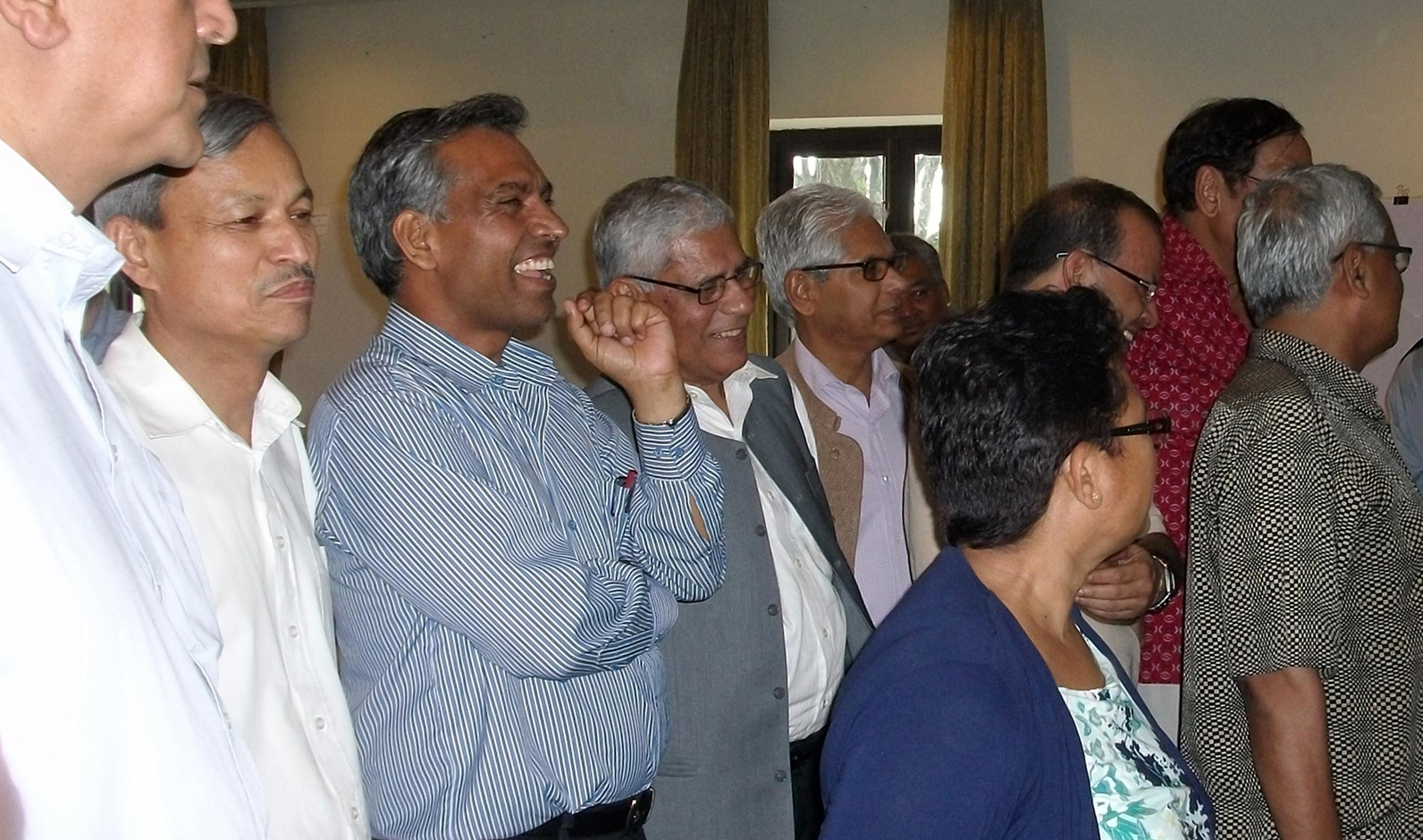
But the last gathering—Islamabad—was a different kind of test. High-stakes, improbable, and fraught with uncertainty. Pakistan had never hosted something like this. Visas were a nightmare. Delegations hesitated. The political climate was brittle. And still, somehow, everyone showed up. We met in a modest conference room, surrounded by plainclothes security. The stakes were sky-high, but what unfolded felt deeply human: people laughing, weeping, disagreeing, reconnecting. The conversation began to generate something beyond any one voice.
The settings were intentionally unpolished. No agenda decks. No flags. Just people gathered in quiet places—often barefoot, always off-script.
There’s something that happens when roles fall away. You stop hearing positions and start hearing people. One of my lasting lessons was this: when you remove the performance, you get to the real material.
Many carried a quiet dream into the room—a hope that South Asia could move beyond fragmentation toward something more whole. Over time, that vision became speakable.
Moments That Stuck With Me
Some of the most striking revelations came spontaneously:
- An Indian official candidly admitted, “Our bureaucracy can be our own greatest obstacle.”
- A Pakistani leader was visibly moved, remarking, “I never realized how deeply we shared the same dreams for prosperity and freedom from poverty.”
- A Bangladeshi participant reflected nostalgically on open river trade routes from his youth, igniting fresh enthusiasm for cross-border trade.
These weren’t formal diplomatic breakthroughs—they were human, relatable moments that built trust where none had existed.

What Happens When the Old Script Gets Dropped
These weren’t just good conversations—they led to tangible, lasting outcomes. The group had begun to see differently—across history, across borders, and into possibility.
- India–Pakistan power connection: Directly resulting from our conversations, the first-ever energy transmission link between these two nations was constructed.
- Cross-border trade revival: Inland waterways between India and Bangladesh were reopened, revitalizing trade.
- Regional energy expansion: A cross-border energy grid between Bangladesh and India was expanded, deepening interdependence across the region.
- Conflict de-escalation: Informal dialogue helped ease a long-standing border dispute between India and Nepal, allowing for quiet de-escalation.
- Strategic vision document: Leaders collaboratively authored a roadmap now guiding billions of dollars of investments across South Asia.
These results weren’t inevitable. They came because the right people were invited into a different kind of environment—outside the spotlight, away from the pressure to posture—and invited into a conversation they didn’t expect to have. This wasn’t diplomacy’s waiting room. It was politics, redefined through presence and relationship.
The dialogues also influenced strategy at the institutional level. The World Bank quietly shifted its regional investment priorities, anchoring cross-border infrastructure in a deeper foundation of trust.
What began as informal dialogue grew into formal influence. Participants stayed close to government leaders, advising prime ministers and shaping projects directly. Some became quiet conduits—informal bridges between official actors when formal channels stalled. The energy shifted from “should we?” to “how do we make this happen?”
What Held—and What Moved
Years later, I still carry a few simple truths from this work:
- Informality changes everything. When people step outside their roles, new things become possible.
- You have to remove the “that’ll never happen” voices—external and internal. Sometimes it’s not the people, but the habits that keep change at bay.
- Honest silence is more powerful than a clever argument. The best shifts often came after moments of deep pause.
- Don’t rush to solve. We didn’t try to fix things—we created space to see differently. The action came later, and came stronger.
And perhaps most importantly: when you invite people into a different kind of conversation, they often rise to meet it.
Though our direct role in this work has concluded, the conversations continue. What we learned here continues to shape how we work—with leaders facing fragmentation, and systems at a standstill. Some truths weren’t resolved—but they were finally spoken. That, in itself, changed the field.
The networks built in those rooms have carried on, quietly shaping policy, reopening channels, and deepening coherence across a region that once seemed permanently stuck. That tells me it was worth it.