Feature Article
From Reading the Room to Raising the Room
What it means to listen for what a room is capable of, and what keeps most of us from hearing it.
Read More →
Ideas from the field and the fire, over our decades of work.
What it means to listen for what a room is capable of, and what keeps most of us from hearing it.
Read More →
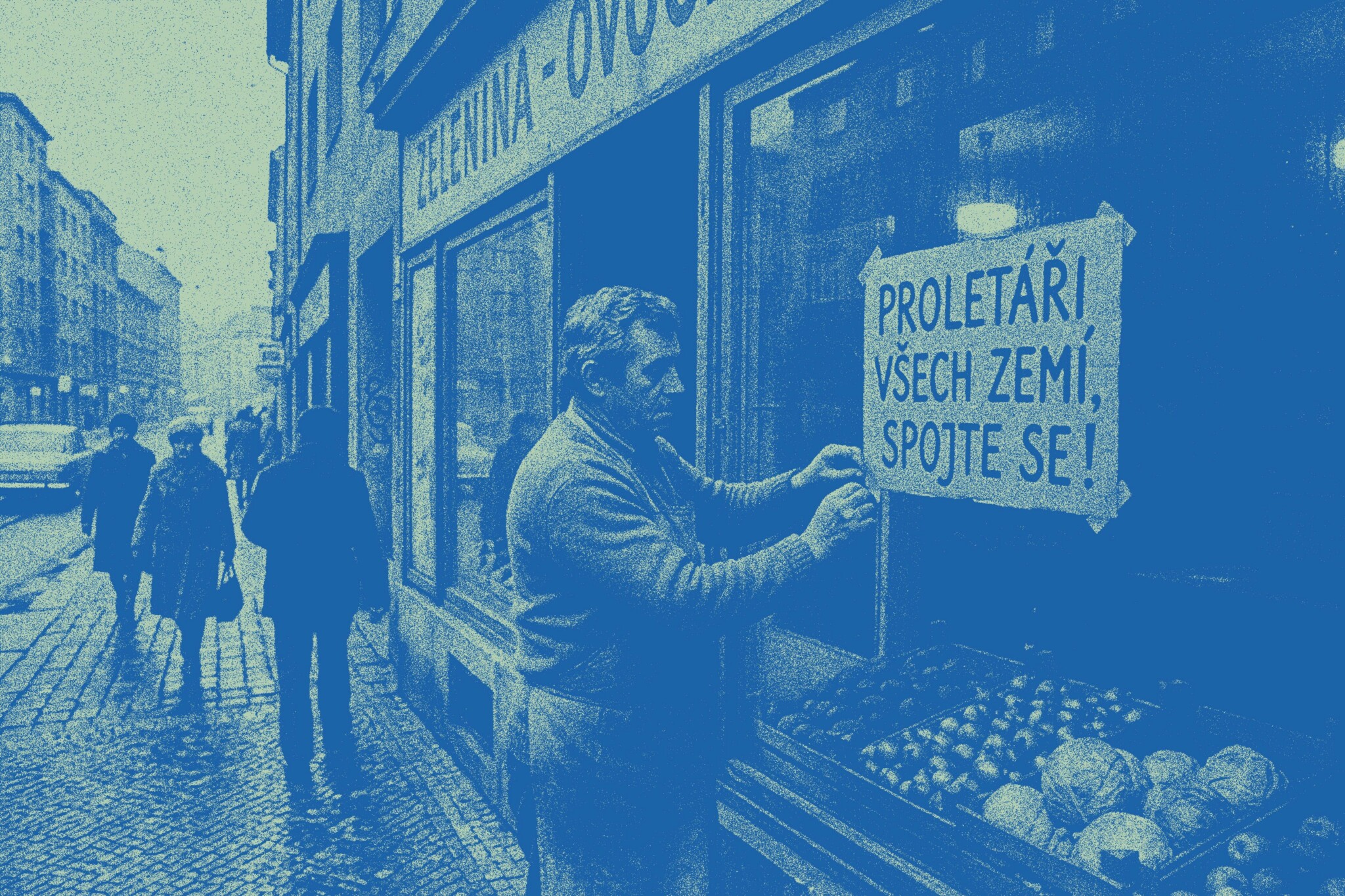
Mark Carney’s invocation of Václav Havel at Davos struck a chord because it was a clear example of true character in expression. We can admire from afar, or we can follow that example. In a time of fracture and drift, living within the truth is not an occasional thing. It is a daily act of leadership.
Read More →

Most transformation efforts fail not because the solution was wrong but because the people who need to implement it are the same people who stand to lose from it. Skip Griffin draws on decades of organizational work — and one formative year inside a Boston high school — to explain why elegant design isn’t enough, what the hidden accounting looks like, and how leaders can build something worth saying yes to.
Read More →

We all operate inside a living system of thought, emotion, and relationship—a shared code that shapes how we sense and act together. Drawing from decades of fieldwork, Bill Isaacs and Skip Griffin show how attention moves through four layers—Reaction, Nous, Field, and Identity—and how learning to work with these layers allows transformation to unfold as a natural process rather than an engineered event.
Read More →
Skip Griffin reflects on how the quiet, relational work of change underpins even the most visible transformations. He draws lines between the civil-rights movement and modern organizational change: the build-up of trust, the gestation of intent, the long-haul readiness before the moment of action.
Read More →
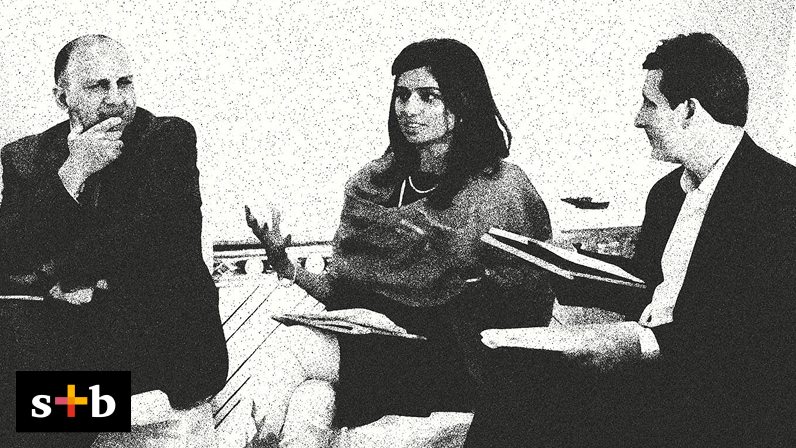
In this article for Strategy+Business, Bill Isaacs writes from inside the practice of large-scale dialogue—moments when conversation itself becomes the turning point. Using the story of our work on the South Asia Champions for Development Program, he shows how the movement from politeness to truth-telling, from breakdown to shared inquiry, can release new intelligence in a system. Lasting change begins not with control or consensus, but with creating the conditions for people to think and see together.
Read More →

In the Harvard Business Review, Dialogos Senior Associate Kate Isaacs and her MIT co-authors examine how the organizations W.L. Gore and PARC sustain innovation through distributed leadership. They show that when authority, awareness, and accountability are shared across entrepreneurial, enabling, and architecting roles, organizations can stay both free and focused—creative without collapsing into chaos.
Read More →

You don’t need perfect clarity to start to get unstuck—just the willingness to listen, and the courage to engage.