Conversations that Change the World.

Bill Isaacs

From the Vault

One attendee asked, “Why doesn’t India sell power to Pakistan?”

“Do we in this room really need to rehash the reasons for this?” asked another.

After some consideration, a third person simply asked: “Why not?”

That question hung in the air for a long moment. Everyone knew it meant several things: Why not see this outcome as possible? Why not do more projects like this together? And, ultimately, why not change the way we think about each other? By the time the next person broke the silence, the prevailing feeling in the room had begun to change. The participants realized that, going forward, they could engage with one another more productively, exploring options that were previously considered impossible.

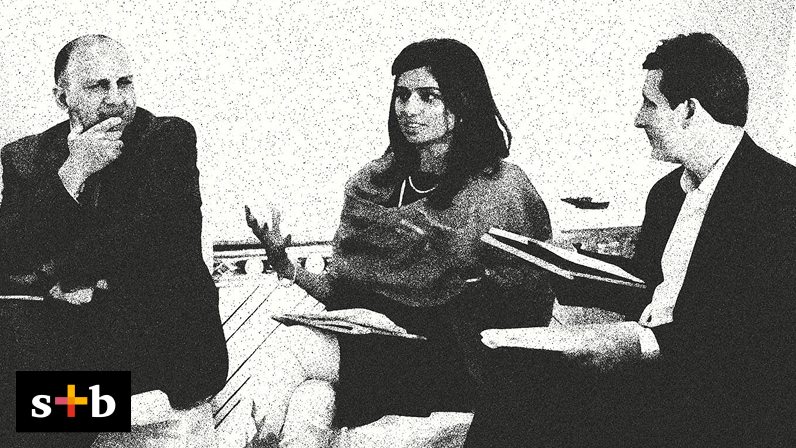
In this 2017 piece, Bill describes what it took to facilitate high-stakes talks among South Asian leaders (something we also reflected on deeply in this case story): when a dialogue is carefully designed and sustained, people can shift from trading entrenched positions to examining their assumptions together. He names the arc he often observes—politeness, breakdown, inquiry, and finally the flow of collective thinking—and describes how each stage depends on a strong “container” that keeps people in the work long enough for real thinking together to emerge.

This piece isn’t theory – it’s field notes from real change. As Bill writes: “A ‘Why not?’ moment doesn’t come out of nowhere. It is developed through careful preparation.” Powerful progress is built often out of public view, by attending to atmosphere, clarifying intent, and staying with tension without rushing to resolution. Leaders still face problems that outstrip individual expertise; they still need rooms where people can inquire openly and make meaning together. This is a practical map for creating those rooms and for recognizing when a conversation is finally doing the work it was convened to do.

You don’t have to know the right question to start the right conversation.

You don’t need perfect clarity to start to get unstuck—just the willingness to listen, and the courage to engage.

Open the conversation